Exploring Waste Plastics and End-of-Life Tyres for Resource Recovery
Resource Intelligence | Circular Economy | Waste-to-Energy
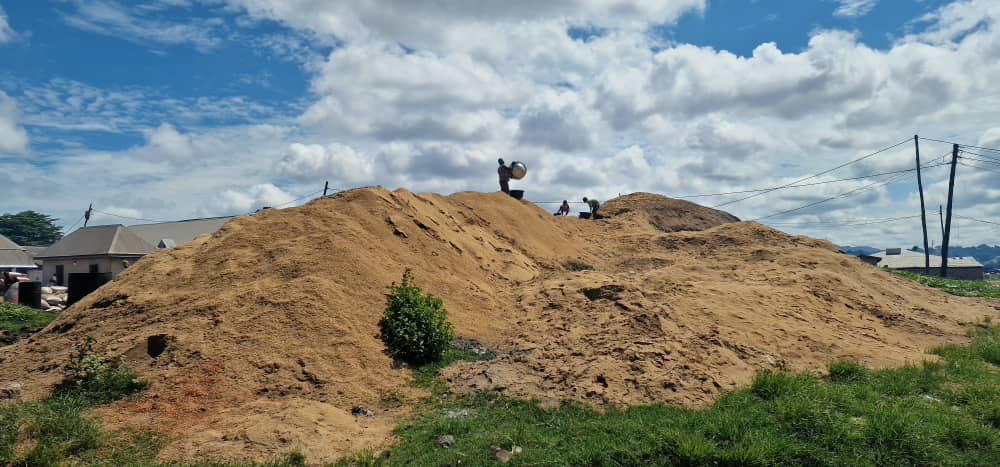
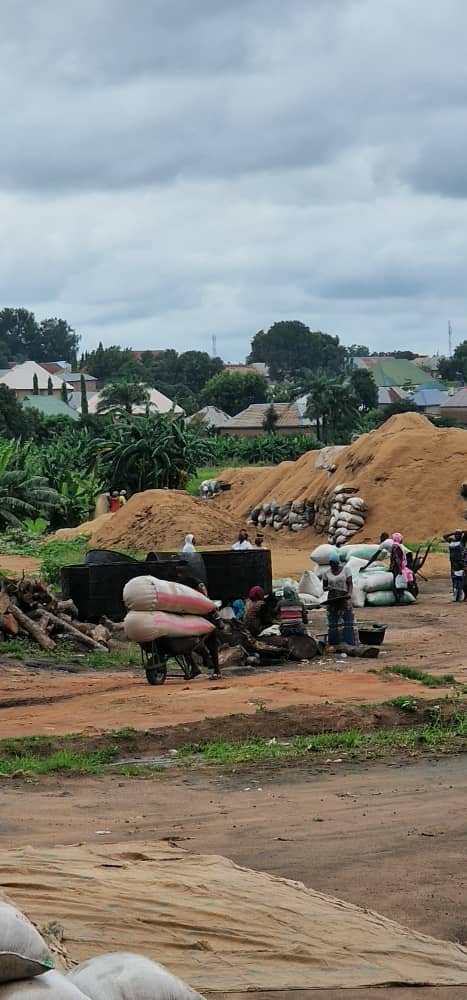
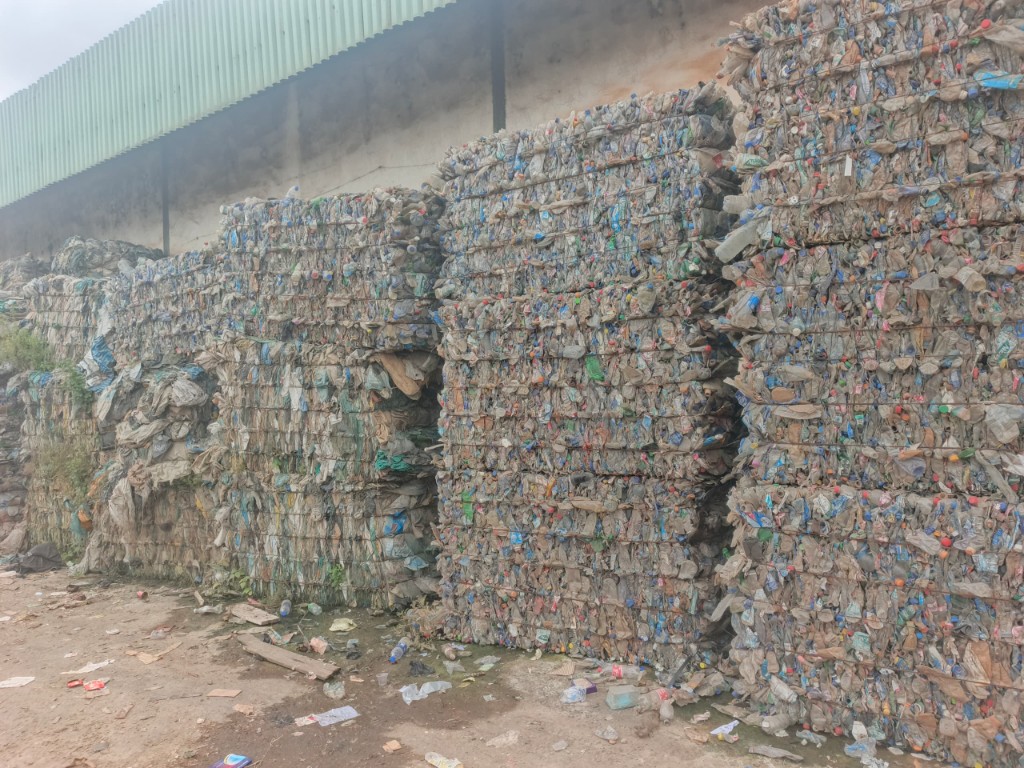
The growing volume of plastic waste, nylon, and end-of-life tyres presents a significant resource-management challenge, but it also raises an important question: how can difficult waste streams be transformed into useful resources?
As part of a waste-to-energy research project undertaken for ACE-SPED, members of the ResearchForge team were identified to support the project, bringing experience in assessing the potential for oil extraction from waste nylon, plastics, and used tyres in Anambra State.
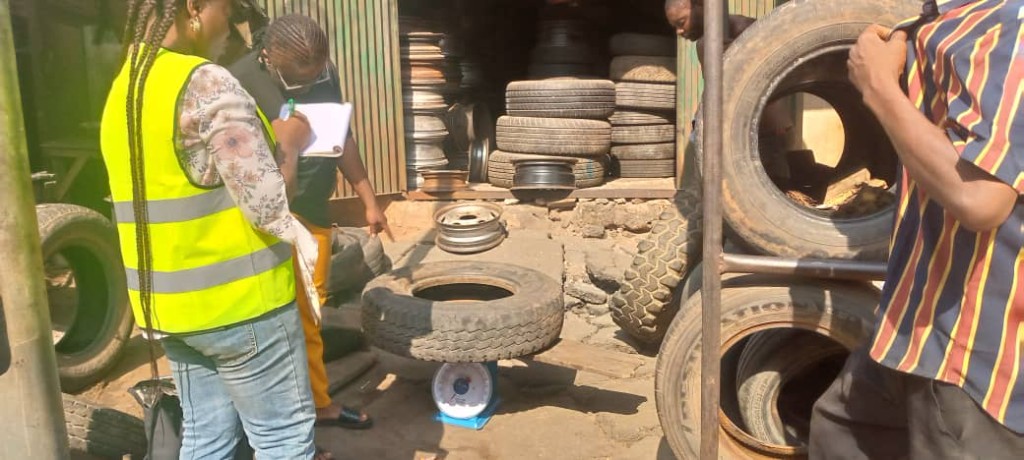
The work focused on understanding the availability and characteristics of these waste streams and exploring their potential for conversion into useful outputs. Such research requires more than identifying a suitable conversion technology. The availability and consistency of feedstock, collection systems, processing requirements, environmental considerations, economics, and potential end uses all influence whether a waste-to-energy concept can progress toward practical application.
The project reflects an area of expertise that aligns strongly with ResearchForge’s interest in resource intelligence and circular economy opportunities.
By examining waste streams as potential resources rather than solely as disposal challenges, this kind of research can help reveal opportunities for recovering value from materials that would otherwise remain underutilised or create environmental pressures.
It also demonstrates the importance of bringing technical expertise into the early stages of project development. Understanding the resource base and its characteristics provides an evidence base for subsequent technical, economic, and feasibility assessments.
For ResearchForge, this experience contributes to a broader objective: using field information, technical knowledge, and analytical research to understand where resource-recovery opportunities exist and what would be required to develop them responsibly.
The Anambra State project therefore forms part of the experience and technical foundation that informs ResearchForge’s approach to emerging opportunities across waste, energy, resource efficiency, and sustainable development.